A cigar is rarely just a cigar. It is an intermission in a busy day, a way to mark a decision, a conversation starter among friends. The best experiences feel deliberate without feeling fussy. That balance comes from two places most people overlook: the right cigar accessories and a disciplined grooming routine that matches the occasion. When the lighter hits the foot of the cigar and the first draw lands, everything from your watch to your whiskers frames the moment.
This is not about buying every shiny gadget in a tobacconist’s case. It is about selecting tools that work beautifully and last, then using them with care. That same principle applies to grooming. A five-minute shave with a well chosen safety razor and a proper lather can sharpen the whole evening, especially if you want your cigar’s aroma to be the headline rather than competing with stray stubble or harsh aftershave.
The quiet choreography of a good cigar setup
Cigar enjoyment rewards preparation. Every tool has a job, and when each does its job cleanly, you are free to pay attention to the cigar itself. I have watched seasoned smokers troubleshoot entire evenings because a dull cutter chewed a cap or a torch blasted a wrapper into bitterness. Most of these problems are avoidable.
A cutter should make a crisp, accurate cut without crushing the cigar. A lighter should toast evenly without scorching. An ashtray should hold ash securely and cradle the cigar between draws. A travel case should protect the shape and humidity. None of these tools need to be ornate, but they must be suited to the size and shape of what you actually smoke. That means different gear if you favor robustos over lanceros, or box-pressed cigars over perfectos.
Pair that setup with the grooming tools that make you feel sharp, not scrubbed. A well prepped shave and a trimmed mustache change how a cigar sits against your lips. Better still, traditional wet shaving tends to avoid the synthetic fragrances that can clash with a cigar’s bouquet. If you have ever taken a draw and tasted your aftershave, you know the problem.
Choosing a cutter you will keep for decades
Most people start with a cheap guillotine and assume rough cuts are normal. They are not. A good cutter, sharpened correctly, almost always solves those problems.
A straight double guillotine is the workhorse. It gives control over the depth of the cut, works with nearly every ring gauge, and does not overcomplicate things. You want hardened steel, clean action, and blades that line up perfectly. Practice cutting less than you think you need, then smoking, then trimming a hair more if required. Removing too much invites unraveling, especially on delicate wrappers.
A v-cutter is fantastic for thicker ring gauges and those who like a focused draw. It removes less material, which can preserve structure on fragile cigars. The risk is going too deep and nicking the shoulder, so learn your cutter’s depth and the cigar’s cap lines.
Punch cutters have their place in pockets and on keychains. They shine with thicker caps and shorter smokes when you need speed. The draw can feel restricted on tightly packed cigars, so you might carry both a punch and a small guillotine. If you smoke tapered shapes, punches are tricky, and a precise straight cut or a shallow v works better.
Keep blades clean. Wipe tar with a dab of high proof alcohol and dry thoroughly. Even a premium cutter loses its edge if left sticky for months.
Lighters that light clean and even
I have tried everything from cedar spills to triple-jet torches. Each has strengths.
A soft flame lighter or wooden matches preserve nuance. The cooler flame makes it easier to avoid scorching delicate wrappers. They demand patience and a wind-free setting. If you smoke indoors or on a calm patio, a good butane soft flame can be perfect.
A torch lighter is practical outside and with larger ring gauges. Single jets offer control, while two to three jets add power. Anything more risks roasting the foot into bitterness. Purge the lighter occasionally, use clean butane, and keep the jets free of pocket lint. When toasting, keep the flame just off the tobacco and rotate the cigar until the rim is evenly blackened and glowing. Draw gently to coax the light through, rather than blasting.

Cedar spills add a ritualistic touch. They also impart a whisper of sweetness many find pleasant. Use them when you can take your time; they are poor performers in wind.
Ashtrays and the unsung value of stability
If you smoke alone, a small, heavy, easy-to-clean ashtray is best. Glass, ceramic, or heavy metal all work. Deep grooves keep a cigar from rolling. Oversized cigar lounge ashtrays look good on a coffee table, but they are a hassle in tight spaces. The common mistake is using a shallow bowl or a light dish that tips with a careless elbow. You do not want to explain a burn mark on a friend’s table because the ashtray skated when you set a cigar down to answer a text.
Clean ashtrays regularly. Old ash stinks, and stale odors mask a cigar’s subtler notes. A quick wash with mild soap, dry well, and you are done.
Travel tubes, cases, and pocket solutions
Travel makes or breaks cigars long before you light them. I have had perfect sticks ruined by a briefcase corner or a too-dry hotel room. Hard tubes protect single cigars in a jacket pocket. Leather cases with formed channels work for two or three cigars, provided you match length and gauge to the case. If you carry a variety, choose a case slightly longer than your typical smoke and avoid cramming a 58-ring gauge into a channel meant for a 50.
For trips longer than a day, a small hard-sided travel humidor with foam slots and a Boveda pack is simple and reliable. It does not need to be pretty; it needs an airtight seal and space. Check the pack before you leave. If you are headed somewhere dry, bring a spare pack and a small zip bag to isolate the humidor when not in use.
Pairing your cigar ritual with traditional wet shaving
A clean shave often makes a cigar feel more deliberate. You feel the smoke against your skin differently, and the mouthfeel improves when whiskers are not disrupting the seal. Traditional wet shaving also aligns with the cigar ethos: slower, more intentional, higher quality.
A safety razor is the ideal entry point. The merkur 34c, a classic two-piece safety razor, earns its reputation because it simply works. It has enough heft to let the blade do the cutting, not your wrist, and a forgiving head geometry that will handle daily shaves without drama. If you prefer a modern machined feel and tight tolerances, the henson razor has won many converts by clamping the blade rigidly and presenting a very shallow angle. Henson shaving Canada and other regional distributors have made it widely available, and the engineering-first approach suits shavers who value consistency.
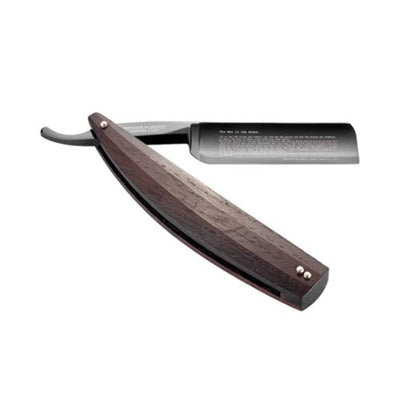
Shavettes and straight razor options demand more skill but deliver excellent control. A Shavette takes half of a double edge razor blade or a specific disposable blade and offers straight-razor precision with less maintenance. A true straight razor requires stropping before each shave, occasional honing, and absolute focus. When mastered, it offers the closest shaves, and it feels like an heirloom craft. But if you split your time between cities, packing a straight, a strop, oil, and a travel-friendly stone is a commitment. Choose accordingly.
Blade choices and what they actually change
The best safety razor blades are not the sharpest by reputation. They are the ones that pair with your razor and technique. I tend to start clients with a sampler of five or six brands, two blades each, and have them shave three to four times per blade. Keep notes. If you have coarse hair and sensitive skin, a medium sharp, smooth blade often beats the ultra sharp one that looks great on paper. Feather blades are laser sharp but punishing if the angle wanders; Astra or Personna often ride the smoother middle ground. With the henson shaving geometry, extra sharp blades can feel mellow because the clamp reduces chatter. In the merkur 34c, a balanced blade often wins.
Disposable razors still have a place for a travel emergency or a gym bag, but they strip away the control and sustainability that make wet shaving appealing. An edge razor with a pivoting head can be convenient, yet it dulls quickly and invites pressure. If you must, reserve it for touch-ups or travel, and remember to pre-shave carefully to minimize irritation.
Brushes, soaps, and the lather that keeps your skin calm
A shaving brush does more than whip air into foam. It lifts hair, exfoliates gently, and paints slickness exactly where you want it. Badger, boar, and synthetic all work. I recommend a good synthetic to most people now because it dries fast, resists funk, and generates excellent lather. If you love tradition, a well broken-in boar gives satisfying backbone for hard soaps.
Shaving soap matters. You want cushion and glide without heavy synthetic fragrance. Mentholated products are refreshing, but they can numb feedback and complicate razor control. If you plan to smoke, a light, clean scent leaves room for the cigar. Triple-milled soaps last months and develop a stable lather. Load the brush for 20 to 30 seconds, add water slowly, and stop when the lather looks glossy and forms soft peaks. Too airy and it will dry fast. Too pasty and the razor will skip.
Pre-shave prep that pays for itself
A hot shower softens the beard and opens pores. When time is tight, a warm towel for a minute achieves most of the effect. A few drops of pre-shave oil can help, though too much makes the razor slide without cutting efficiently. I prefer a thin glycerin-based pre-shave applied sparingly under the lather. It adds slickness without gumming up the blade.
Shave with light pressure. Let the weight of the safety razors handle the cut. Keep strokes short around the mouth where a cigar rests later. Rinse between passes. Typically, a with-the-grain pass, then across, is enough for a neat, comfortable finish. If your skin allows, a final light buff on the jawline and upper lip keeps edges tidy without inviting razor burn. Cold rinse after, a mild, alcohol-free balm, and you are ready.
Facial hair and cigar comfort
If you keep a beard or mustache, trim the area where the cigar meets your lips. That does not mean shaving your philtrum bare, just keeping hairs short enough that they do not wick tar and moisture. Long mustache hairs trap flavors you do not want to taste an hour later. I use a small pair of scissors and a travel trimmer to tidy edges before an evening out. A little unscented beard oil keeps flyaways down and avoids clashing aromas.
The first draw: lighting technique, step by step
Use this short sequence when you want to light well without fanfare.
- Hold the cigar at a 45-degree angle, rotate slowly, and toast the foot with the flame just off the tobacco until the rim is evenly blackened. Take a few gentle puffs while keeping the flame just away from the foot, rotating to ensure an even cherry, then inspect and correct any unlit spots with a quick touch.
That is all you need. Overzealous torching turns the first inch bitter. If that happens, slow down, let the cigar cool for a moment, and resume with lighter puffs.
Storing cigars so they smoke as intended
A stable humidor makes a bigger difference than any exotic accessory. Aim for 62 to 68 percent relative humidity for most premium cigars, slightly lower if you like a crisper burn and less spongy feel. Temperatures between 65 and 70 degrees Fahrenheit keep tobacco beetles dormant and flavor development steady. Modern two-way humidity packs simplify maintenance. Season new humidors correctly, or skip wood entirely and use a high quality airtight plastic box with a calibrated digital hygrometer. The latter works shockingly well, and it is easier to travel with.
Rotate cigars every few weeks in a tightly packed humidor. Airflow matters, and a cigar pressed against the wall for six months ages differently than its neighbors. If you buy by the box, let cigars rest at least two weeks before smoking so they acclimate to your storage.
Etiquette and the social texture of a cigar
A cigar is a social object even when you are alone. The habits you carry in lounges and on patios shape the experience for everyone. Ask before cutting or lighting someone else’s cigar. Offer your lighter but do not adjust someone’s flame without permission. Tap ash gently rather than thudding it into the tray. Keep your voice down. No need to lecture tasting notes. If someone asks what you are smoking, share the basics and let the conversation flow from there.
Grooming plays into this quietly. A well kept shave or beard signals that you respect the shared space. Strong colognes, aftershaves, or hair products can override the room and offend. If you wear fragrance, keep it minimal and choose something that sits close to the skin.
Matching cigars with drinks without stealing the show
There is no rule that says a cigar demands a drink. Water often reveals the most nuance. When you do pair, keep sweetness and proof in mind. Higher proof spirits can amplify pepper and spice in a cigar, while liqueurs can coat the palate and dull complexity. A dry rye whiskey and a spicy robusto make sense if you enjoy intensity. A lighter Connecticut shade cigar plays nicely with champagne or a crisp pilsner. If your palate is sensitive, drink coffee or unsweetened tea, then a sip of water, and let the cigar set the pace.
When to invest and when to save
A reliable lighter and cutter matter more than a fancy humidor if you smoke a few cigars per month. Spend on the tools you handle every time, not on display pieces. The merkur 34c or a well made henson razor will deliver more daily value than a cabinet full of rarely used accessories. Buy a solid shaving brush and a dependable shaving soap before chasing exotic scents. With razor blades, test in small quantities before buying bulk. Your face decides. With cigar accessories, field test: light five cigars in different conditions and see what fails. Eliminate weak links first.
Troubleshooting the mistakes that spoil a good evening
Tunneling and canoeing usually come from lighting errors or humidity at the extremes. Correct by touching up gently with a torch and slowing your draw. If a cigar keeps going out, it may be over humidified. Leave it out for 15 minutes and try again. If the draw is tight, roll the cigar gently between your fingers to loosen it, or use a draw tool carefully through the center.
Razor burn after a close shave before a cigar? Your technique, not the cigar, is to blame. Ease pressure, reduce the number of passes, and avoid aggressive aftershaves. Let the skin settle before you smoke; warm smoke on fresh irritation is not pleasant.
Scent clashes come from layering. If your shaving soap, balm, deodorant, and cologne all speak loudly, the cigar becomes background noise. Choose one scented item at most, keep it restrained, and let the tobacco lead.
A compact grooming kit for the cigar lover
If you travel or meet friends after work for a smoke, a small kit keeps you ready without hauling baggage. Mine fits in a slim pouch and weighs little. The backbone is a compact safety razor with a few double edge razor blades in a plastic tuck, a synthetic shaving brush that dries quickly, a small tin of shaving soap, and an unscented balm. On the cigar side, a stainless v-cutter, a single-jet torch with a viewable fuel window, and a single-case tube for a robusto. A microfibre cloth handles quick cleanups, from fingerprints on a lighter to condensed moisture on a glass.
This kit looks minimalist, but it covers all essentials. If I host, I add a heavy ashtray and a spare guillotine cutter for guests. If the weather gets frisky, I switch to a double-jet lighter to beat the breeze. Adjust to your habits, not to a catalog.
The texture of ritual
Ritual is often misread as complication. The good rituals are the ones that simplify. A safety razor, a fresh lather, three calm minutes, and you start feeling like yourself. A clean cut, a thoughtful light, a steady ash, and the cigar can speak without distraction. That is the point. Accessories and grooming are not the show, they are the stagehands who make the show run smoothly.
When you select tools with care and keep your routine simple, you can relax into the smoke, the conversation, the quiet. Your watch runs slower. Your shoulders drop. The cigar burns straight. That is style without shouting.
A final word on maintenance and longevity
Care extends the life of everything in this world. Dry your brush bristles down or on a stand. Rinse your safety razor after every shave and crack it open weekly to remove soap residue. Replace razor https://classicedge.ca/collections/sale blades after three to seven shaves depending on your beard; tugging is your cue to change. Empty your lighter before refilling, bleed the tank, and use high purity butane to avoid sputter. Clean your cutter when tar builds. Wipe your ashtray and store your cigars with consistency.
Done regularly, none of this feels like work. It feels like respect for your tools and your time. The reward shows up every night you sit down, light up, and realize nothing is getting in the way.
A short checklist for your next smoke-ready evening
- Freshly shaved or neatly trimmed, with a light, clean balm rather than heavy fragrance. Sharp cutter tested on scrap before touching the cigar, lighter filled and purged. Cigar selected from stable storage, rested at room temperature for 15 to 30 minutes. Quiet surface and a stable ashtray within easy reach, drink chosen to complement, not dominate. A pace that lets the cigar cool between draws, and the willingness to set it down when you are satisfied.
If you build these habits, you will find that your accessories and your grooming recede into the background. What remains is the cigar, the company, and a sense that you chose well. That is the heart of the ritual, and it never goes out of style.